The dream of soaring through the clouds is a powerful one, but for many aspiring aviators, that dream is often grounded by the staggering cost of flight training. It is no secret that becoming a pilot is an expensive endeavor, with costs for a commercial license often exceeding the price of a luxury home. However, the high price tag is not always a reflection of quality, and there are numerous strategic paths that can significantly reduce your financial burden without compromising the safety or standard of your education. By understanding the nuances of the Florida Part 61 flight schools aviation industry and being willing to take a non-traditional route, you can achieve your wings while keeping your financial future intact.
Choosing the Right Flight School and Aircraft
Where you choose to train will have the largest impact on your total expenditure. Many students gravitate toward large, prestigious flight academies that promise a fast track to the airlines. While these schools offer structured environments, they often come with massive overhead costs that are passed down to the student. To find the cheapest way forward, look for local Part 61 flight schools at smaller municipal airports. These schools often have lower rental rates and more flexible schedules. Because they are not bound by the rigid curriculum of Part 141 schools, you can often move faster if you are a quick learner, saving you thousands in unnecessary flight time.
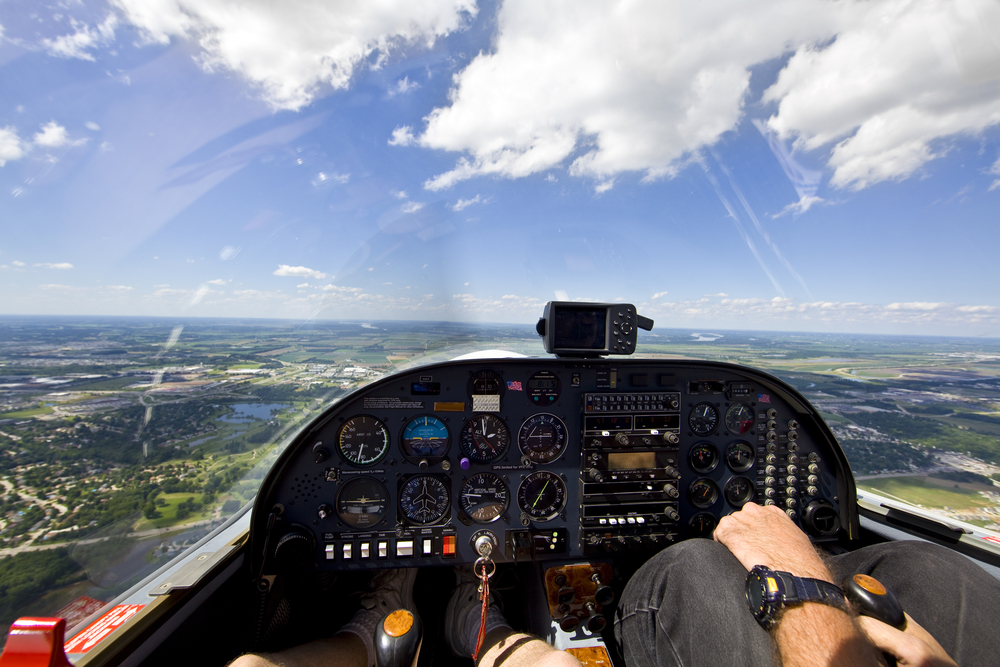
The type of aircraft you choose to train in also dictates your hourly rate. While it is tempting to learn in a brand-new Cessna with a glass cockpit and air conditioning, the air does not care how shiny the plane is. Learning in an older, well-maintained Cessna 150 or a Piper Cherokee with traditional “steam gauges” is often forty to fifty dollars cheaper per hour than a newer model. These older aircraft are excellent trainers and will actually make you a better pilot by forcing you to develop superior stick-and-rudder skills. As long as the aircraft is airworthy and the maintenance logs are up to date, the age of the plane will not sacrifice the quality of your training.
The Power of Consistency and Simulation
Frequency is the ultimate secret to saving money in flight training. If you only fly once a week, you will spend the first thirty minutes of every lesson relearning what you forgot since the previous week. This “regression” is a silent killer of flight training budgets. To be as efficient as possible, aim to fly at least three to four times a week. This high frequency allows for rapid muscle memory development and keeps the information fresh in your mind. By condensing your training into a shorter calendar period, you can often finish with the minimum required hours rather than dragging the process out and needing extra remedial flights.
Additionally, do not overlook the value of flight simulation. While a home simulator setup cannot replace a real airplane, it is a powerful tool for practicing procedures, checklists, and instrument navigation. Spending time on a simulator allows you to make mistakes and learn from them at zero cost. By the time you get into the actual cockpit, your hand-flow for checklists should be automatic, and your understanding of the local airspace should be thorough. Many flight schools also have FAA-approved Basic Aviation Training Devices that allow you to log a portion of your instrument time at a fraction of the cost of a real airplane.
Exploring Scholarships and Military Options
One of the most effective ways to lower the cost of flying is to use someone else’s money. There are millions of dollars in aviation scholarships available every year from organizations like the Aircraft Owners and Pilots Association, the Experimental Aircraft Association, and various regional flying clubs. Many of these scholarships go unapplied for because students assume the competition is too fierce. Dedicating time each week to searching for and applying to these grants is essentially like working a high-paying job. Even a small two-thousand-dollar scholarship can cover a significant portion of your solo flight requirements.
For those who are willing to make a significant life commitment, the military remains the highest quality “free” way to become a pilot. Whether through the Air Force, Navy, Marines, or Army, military flight training is world-class and provides a level of experience that is impossible to replicate in the civilian world. Not only do you receive your training for free, but you are also paid a salary and receive full benefits. While the service commitment is long, you will emerge with thousands of hours of high-performance flight time, making you an incredibly competitive candidate for any major airline.
Conclusion
Becoming a pilot does not have to result in a lifetime of debt. By choosing a local Part 61 school, training in older aircraft, maintaining a high frequency of lessons, and aggressively pursuing scholarships, you can navigate the path to the cockpit with fiscal responsibility. The key is to remember that the goal is to become a safe, competent aviator. Quality is found in your study habits, your instructor’s experience, and your personal discipline, not in the price of the flight school’s marketing brochure. If you are willing to put in the work on the ground and be strategic about your choices, the sky is much more accessible than you might think.